
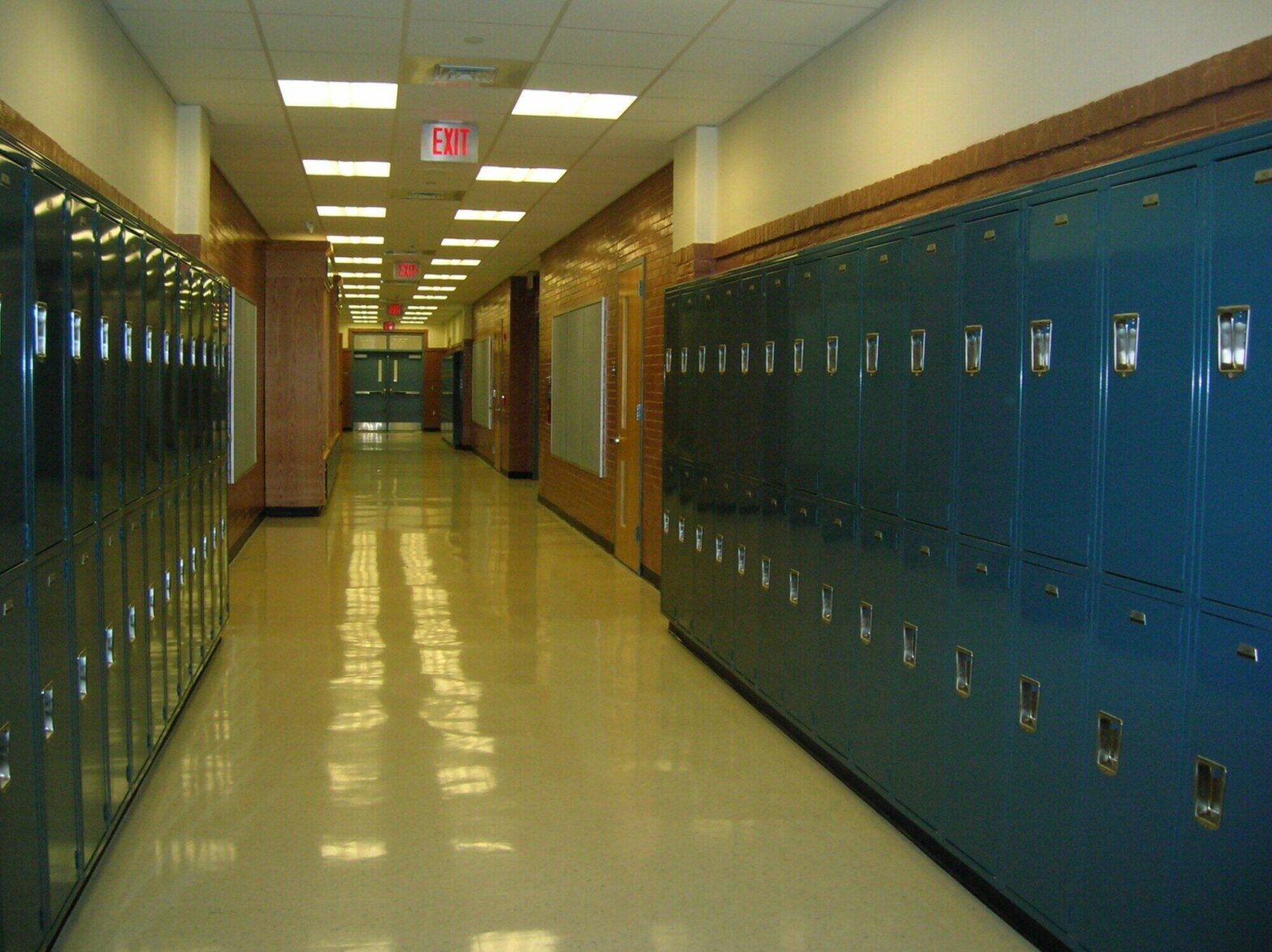
The film bonds to the glass and, when paired with an attachment system (a method of anchoring the film to the window frame), creates a barrier that requires sustained effort to breach. Security film for glass works by keeping broken glass fragments adhered to the film rather than scattering across classrooms and hallways.
How Security Window Film Protects Against Forced Entry
When an intruder strikes a filmed window, the glass may crack but the film holds the pieces together, creating a flexible barrier that resists penetration. Standard unprotected glass shatters immediately and allows quick entry, while filmed glass can delay breach attempts by forcing repeated strikes in the same spot.
The film’s effectiveness depends on both its thickness (measured in mils, or thousandths of an inch) and how it’s anchored to the window frame. Without proper attachment, an intruder could push the entire filmed glass panel inward after breaking it, which is why quality installations include attachment systems that bond the film edges to the frame.

Benefits of Security Window Film in Schools
“Schools benefit tremendously from professionally installed window film,” Tint USA partner Mike Minor says. “It improves classroom comfort by reducing glare and hot spots, enhances safety with security film options, lowers energy costs, and helps protect students and staff from harmful UV exposure. It’s a practical investment that supports both learning and safety.”
Delayed Intruder Entry and Anti-Intrusion Protection
The primary benefit of security window film for schools is buying critical time during an emergency. When every second counts during a lockdown situation, the film’s ability to slow forced entry gives students and staff time to move to safe areas and allows law enforcement to respond.
Shattered Glass Containment and Fragment Retention
Flying glass shards pose serious injury risks during break-ins, accidents or severe weather events. This protective window film holds broken glass in place rather than allowing it to scatter across occupied spaces, protecting students and staff from cuts and reducing cleanup hazards after an incident.
UV Protection for Students and Interiors
Many security films block up to 99% of harmful UV rays, though this varies by specific product. This UV protection can help reduce sun exposure in classrooms with large windows and slows the fading of furniture, books and educational materials.
Energy Efficiency and Reduced Cooling Costs
Some security films include solar control properties that can help reduce heat gain and glare in classrooms. This creates a more comfortable learning environment and may contribute to lower cooling costs during warm months, though the energy benefits vary based on the film type selected and the building’s specific conditions.
Storm and Severe Weather Protection
Security film provides weatherproof benefits during hurricanes, high winds and hail storms common in the Carolinas. When debris strikes a window during severe weather, the film contains the broken glass and helps protect the building interior from wind and rain.
Invisible Security That Preserves School Aesthetics
Security film maintains the natural appearance of school windows without the fortress-like look of bars or heavy screens. The film is virtually clear once installed, preserving natural light and the welcoming environment schools want to maintain.

Types of Protective Window Film for School Security
Security Film Thickness Options
Security films are measured in mils, with one mil equaling one-thousandth of an inch. Schools typically choose films ranging from 8-mil for basic protection to 15-mil for maximum security at vulnerable entry points, with thicker films generally providing more impact resistance and longer delay times.
Attachment Systems for Glass Safety Film
The attachment system anchors the film to the window frame and is critical for performance:
- Wet-glaze attachment: Uses structural silicone to seal the film edges to the frame, creating a strong bond
- Mechanical attachment: Employs metal channels that physically hold the film in place
- Daylight installation: Applies film only to the glass surface without frame attachment and offers less security than anchored systems
Ballistic Film and Bullet Shield Window Film
Ballistic-rated films are specialized products designed to resist gunfire and are significantly thicker than standard security film. Most schools use standard security film for forced entry protection, while ballistic film is reserved for high-threat environments or specific vulnerable areas.
Is Security Window Film Bulletproof?
Standard security window film is not bulletproof and should not be described as such. The film is designed to delay forced entry and contain glass fragments, not stop bullets.
True bulletproof film for windows requires specialized ballistic-rated products that are much thicker, more expensive and tested to specific ballistic standards. The confusion often arises because both products strengthen glass, but security film excels at slowing break-in attempts using blunt force tools while ballistic film is engineered to absorb bullet impacts and prevent penetration.
How Much Does Security Film for Schools Cost?
Cost Per Square Foot for Glass Safety Film
Security film pricing typically ranges from several dollars to over ten dollars per square foot depending on the film thickness and features. Thicker protective films with higher impact resistance cost more than thinner options, and these per-square-foot costs include the film material but installation labor is usually quoted separately.
Factors That Affect Total Project Cost
Several variables influence the final project cost:
- Total glass square footage and number of windows requiring treatment
- Window accessibility (second-story or hard-to-reach windows require additional equipment)
- Attachment system selected (wet-glaze and mechanical systems add material and installation expenses)
- Glass condition (damaged windows may need repair before film application)
Long-Term Return on Investment
Security film provides value beyond the initial installation cost through multiple benefits. Schools may see favorable insurance considerations when demonstrating enhanced security measures, and the film protects against glass replacement costs from accidents, vandalism or weather damage.

School Safety Grants and Funding Programs
Federal Grant Programs for School Security
Federal programs exist to help schools fund security improvements including window film installation. School administrators should research current federal school safety grant programs through the Department of Education and Department of Homeland Security, as these grant opportunities change based on current legislation and budget allocations.
State Funding in North Carolina and South Carolina
North Carolina and South Carolina may offer state-level funding for school security enhancements, though these programs vary by year and depend on state budget priorities. Administrators should contact their state education department to learn about current grant opportunities and application requirements for security window film projects.
How to Apply for School Safety Grants
The grant application process typically requires documentation of security needs and project specifications. Schools should identify available federal and state programs that match their project scope, and working with experienced installers who understand grant compliance requirements can strengthen applications.
State Mandates Requiring Security Window Film in Schools
Some states have enacted legislation requiring security window film in schools. Texas became the first state to mandate security film installation on school windows and doors, and other states are considering similar requirements as school security becomes a higher legislative priority. Administrators should verify their state’s current requirements to ensure compliance.

Security Window Film Installation Process
1. Glass Assessment and Site Evaluation
Professional installers begin by evaluating all glass in the school building to identify glass types and conditions. This assessment determines which film products are appropriate for each window application and helps prioritize which windows require the highest level of protection.
2. Film Selection and Sample Testing
Based on the assessment, installers recommend appropriate film options for the school’s specific needs. Quality installers apply labeled samples to actual windows so administrators can evaluate appearance and approve products before full installation.
3. Professional Installation and Attachment
The installation process includes thorough window cleaning, precise film application and installation of the chosen attachment system. Proper surface preparation is critical for adhesion, and installers use specialized tools to eliminate air bubbles and ensure smooth application.
4. Inspection and Quality Assurance
After installation, a final inspection verifies proper adhesion, appearance and attachment system integrity. The film requires a cure time, typically several days to weeks, to reach full adhesive strength.
How to Choose a Security Window Film Installer
Verify Installer Certifications and Training
Installers should have documented training in security film application from film manufacturers. Security film requires different skills than standard window tinting, so specific certification matters when evaluating potential installers.
Request Glass Assessment and Sample Testing
Work with installers who assess glass types before quoting and provide sample installations for approval. This approach ensures appropriate product selection for your specific glass and allows decision-makers to see the final appearance before committing to full installation.
Review School Security Project Experience
Experience with educational facilities indicates familiarity with school schedules, compliance requirements and building types. Ask installers for references from previous school projects and inquire about their understanding of grant requirements if applicable.
Understand Warranty Coverage and Limitations
Security film warranties are typically limited and vary by manufacturer and product. Ask installers to explain what the warranty covers, its duration and any conditions that could void coverage to prevent confusion if issues arise after installation.
Why Schools Trust Professional Security Window Film Installation
Professional installation ensures security film performs as intended when it matters most. Tint USA serves schools throughout North Carolina and South Carolina with trained technicians who understand glass science and proper installation methods for security applications.
Our team conducts thorough glass assessments and provides sample testing so administrators can make informed decisions about their security investments. Schools can schedule a free estimate to discuss their security needs and learn how security window film fits into comprehensive safety planning by contacting Tint USA at https://tintusa.com/contact/.