Why Medical Offices Need Window Film
Medical office window film is a thin polyester layer applied to glass surfaces that addresses unique challenges healthcare facilities face daily.
“Healthcare facilities face unique demands from patient privacy compliance to maintaining a comfortable, secure, healing environment,” Tint USA partner Mike Minor says. “Window film helps reduce glare on sensitive medical equipment, control UV exposure, enhance security, and improve patient comfort, all without sacrificing natural light. It’s a simple upgrade that delivers meaningful protection for both patients and staff.”
Window film provides these benefits without the cost and disruption of replacing existing windows. Medical facilities face distinct challenges that make window tinting particularly valuable for maintaining comfortable, compliant and secure environments.
Healthcare facilities commonly address these concerns with window film:
- Patient privacy: Exam rooms and consultation areas need visual barriers to protect patient confidentiality and meet HIPAA requirements
- UV exposure: Sunlight can damage medications, medical supplies and interior furnishings while affecting patient comfort during treatment
- Glare: Bright light interferes with computer monitors, diagnostic screens and medical imaging displays that staff rely on throughout the day
- Security: Healthcare facilities require protection against break-ins and glass-related accidents that could harm patients or staff

Types of Window Film for Healthcare Facilities
Healthcare facilities can choose from several window film categories, each designed to solve specific operational challenges. The right film type depends on your facility’s location, privacy requirements and budget considerations.

Solar Control Film
Solar control film reduces heat from sunlight and blocks UV rays that cause fading and discomfort. This film works well in waiting rooms and patient areas with large windows facing direct sunlight. Solar control film can help reduce cooling costs by rejecting solar heat before it enters your building, though actual savings depend on climate, glass type and building orientation.
Frosted and Decorative Privacy Film
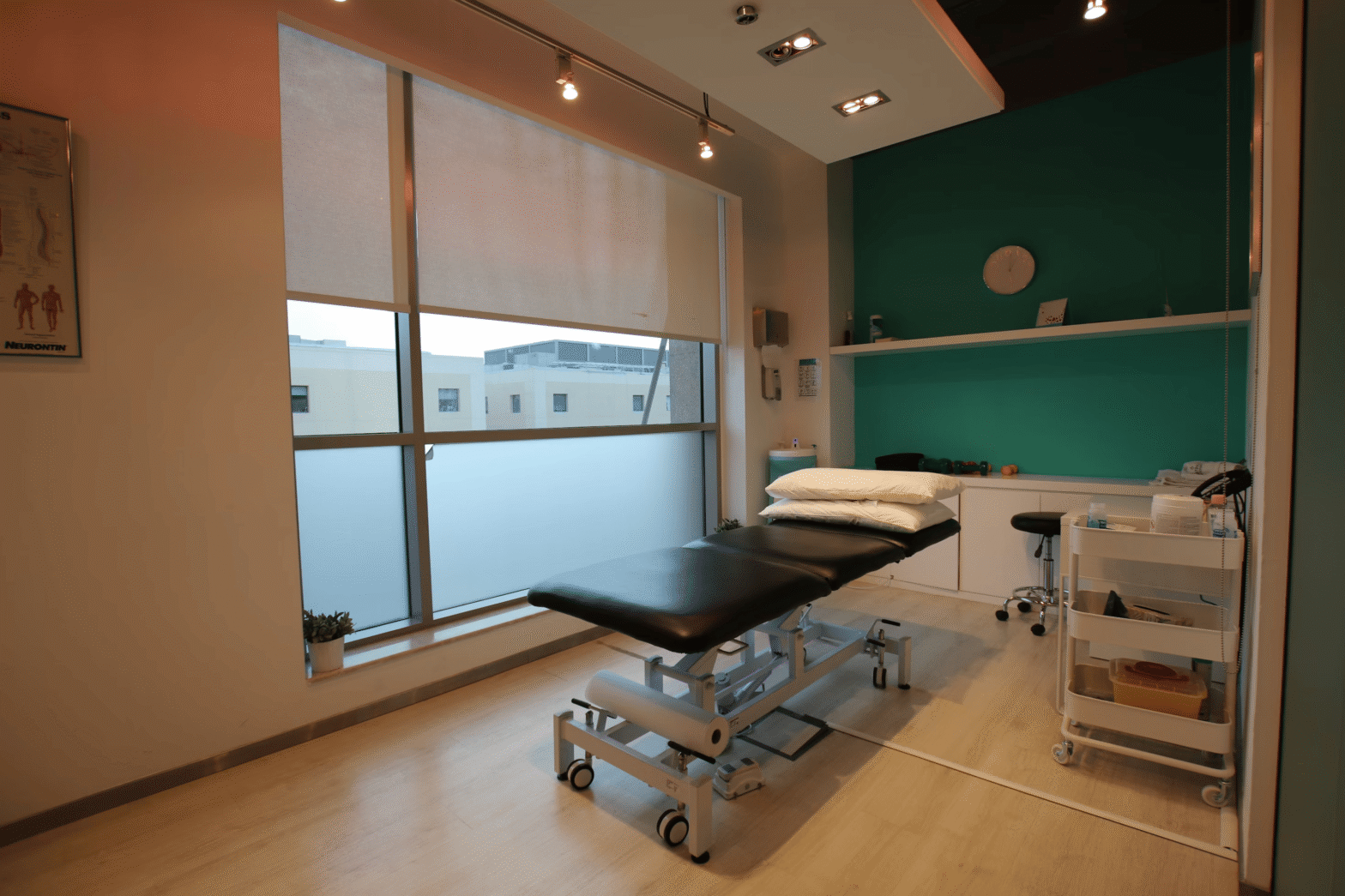
Frosted film obscures views while allowing natural light to pass through, making it ideal for exam room windows and interior glass partitions. You can customize decorative films with medical logos, patterns or designs that match your facility’s branding. This film type provides consistent privacy without the need for blinds or curtains that require regular cleaning and maintenance.
“Decorative film on interior glass adds a sense of elegance while providing privacy,” Tint USA partner Tim Panko says.
Smart Switchable Film
Smart switchable film uses electrical current to change from clear to opaque instantly, giving you privacy control at the flip of a switch. Healthcare applications include exam rooms and consultation areas where you need flexibility between open visibility and complete privacy. This technology eliminates the need for permanent barriers or window coverings while providing on-demand privacy for sensitive patient interactions.
Safety and Security Film
Safety film is thicker than other types and helps hold glass together if broken, protecting against accidents, break-ins and severe weather. This film can help keep staff and patients safe by reducing glass shards that could scatter during impacts. Healthcare facilities often install security film on ground-floor windows and entryways where break-in risks are highest.
Cloaking Film for Screen Privacy
Cloaking film makes digital screens appear black when viewed from side angles while remaining visible to someone looking straight on. This specialized film protects patient data displayed on monitors from being seen by people walking past in hallways or waiting areas. Cloaking film helps healthcare facilities maintain HIPAA compliance without repositioning workstations or adding physical barriers.
Patient Privacy Solutions for Medical Offices
HIPAA compliance requires healthcare facilities to protect patient information from unauthorized viewing, making window film a practical privacy solution. The right film choice depends on whether you need consistent privacy or flexible visibility in different areas of your facility.
Exam Room and Treatment Area Privacy
Exam rooms require privacy for patients during consultations and procedures while maintaining adequate natural light. Frosted film and smart switchable film are common choices because they block sightlines without darkening the space. These films let you maintain patient dignity and confidentiality without relying on blinds that patients might forget to close.
Waiting Room and Reception Privacy
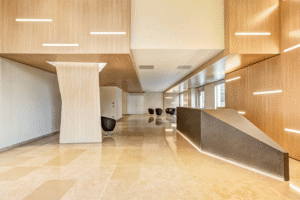
Waiting areas benefit from films that limit views from outside while allowing staff to monitor the entrance. One-way films create privacy during daylight hours when exterior light is brighter than interior lighting. Decorative films can incorporate your practice’s branding while obscuring interior activity from passersby on busy streets.
Conference Room and Administrative Privacy
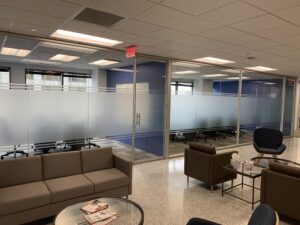
Staff meeting areas and medical records offices need privacy protection for sensitive discussions and paperwork. Frosted film on interior glass partitions maintains an open feel while preventing visual access to confidential information. Cloaking film on computer monitors adds another layer of protection for electronic health records visible from hallways or adjacent offices.
How Window Film Protects Against UV Damage in Healthcare Settings
UV rays from sunlight cause fading to furnishings, flooring and artwork over time, creating maintenance costs for healthcare facilities. Quality window film can block up to 99% of harmful UV rays, though protection levels vary by film type.
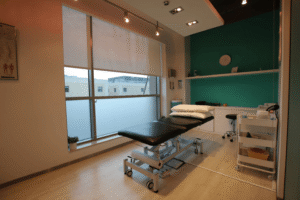
UV protection is particularly important in healthcare because sunlight exposure can affect medications and medical supplies stored near windows. Window film protects waiting room chairs, carpets and wall coverings that fade under constant sun exposure while preserving lobby decor and wayfinding signs that lose color over time.
Energy Efficiency Benefits for Healthcare Buildings
Solar control film can help reduce cooling costs by rejecting solar heat before it enters your building through windows. Healthcare facilities often run climate control systems continuously, making energy efficiency particularly valuable for operational budgets. Actual energy savings depend on variables like building orientation, existing glass type, local climate conditions and how your facility uses different spaces throughout the day.
Glare Reduction for Medical Equipment and Screens
Glare from sunlight creates visibility problems on computer monitors, diagnostic screens and medical imaging displays used throughout healthcare facilities. Window film can help reduce harsh light without darkening rooms completely, maintaining natural light while improving screen visibility. Staff comfort and accuracy improve when they can view equipment displays without squinting or repositioning to avoid glare during patient consultations.
Security Benefits for Healthcare Facilities
Security film helps hold glass together during break-in attempts, accidents or severe weather events that could shatter windows. Healthcare facilities face unique security risks including after-hours break-ins targeting pharmaceutical storage and violence prevention needs in emergency departments. Security film can help slow down forced entry attempts and reduce flying glass hazards that could injure staff or patients during emergencies.
Healthcare Facilities That Benefit from Window Film
Window film serves diverse medical settings, each with specific privacy, security and comfort requirements. Professional consultation helps determine which film types work best for your facility’s unique needs and operational challenges.
Hospitals and Medical Centers
Large hospital facilities have diverse window film needs across patient rooms, lobbies, administrative areas and specialized treatment spaces. Different departments may require different film types based on their specific privacy and light control requirements throughout the building.
Dental Offices
Dental practices often feature large street-facing windows that create privacy concerns for patients in treatment chairs. Window film provides privacy and glare control without blocking the natural light that makes waiting areas feel welcoming to anxious patients.
Outpatient Clinics and Urgent Care Centers
High patient volume facilities need efficient privacy solutions that work across multiple exam rooms and consultation areas. These facilities often occupy retail-style buildings with extensive glass storefronts that require privacy film to protect patient confidentiality.
Specialty Practices and Surgical Centers
Dermatology offices, ophthalmology practices and surgical centers have specific requirements for light control and maintaining sterile environments. Window film helps these facilities control natural light while protecting patient privacy during sensitive procedures and consultations.
What Medical Office Window Film Costs
Window film pricing varies based on several factors specific to your healthcare facility and project requirements. Professional consultation provides accurate cost estimates based on your actual windows and film selection.
Film type affects material costs, with solar control, privacy, security and smart films each having different price points. Total square footage influences pricing structures, while glass complexity and access requirements affect installation time and labor costs for multi-story buildings or hard-to-reach windows.
Professional consultation includes assessment of your glass types and installation of film samples so you can evaluate options on your actual windows. Tint USA provides free estimates to help facilities understand their specific project costs and make informed decisions about their window film investment.
Why Professional Installation Matters for Medical Offices
Professional installation ensures proper film application, maintains manufacturer warranties and minimizes disruption to your healthcare operations. Healthcare facilities need precision work that meets their quality standards while keeping patient care areas accessible during installation.
Minimizing Disruption to Patient Care
Professional installers work around healthcare schedules to complete installations with minimal impact on daily operations. Experienced teams complete work efficiently and maintain clean work areas throughout the installation process to meet healthcare facility cleanliness standards.
The Consultation and Assessment Process
Tint USA’s consultation process includes identifying and metering each glass type in your facility to recommend appropriate films. Technicians install labeled film samples on your actual windows so you can compare options and see performance differences firsthand. This approach provides clear performance data that helps facility managers make confident decisions about their window film investment.

Get a Free Consultation for Your Medical Office
Tint USA serves healthcare facilities throughout North Carolina and South Carolina with professional window film solutions. Dedicated local representatives understand regional climate conditions and healthcare facility requirements. Contact Tint USA for a free estimate to discuss your medical office’s specific window film needs.