Why Furniture and Interiors Fade Near Windows
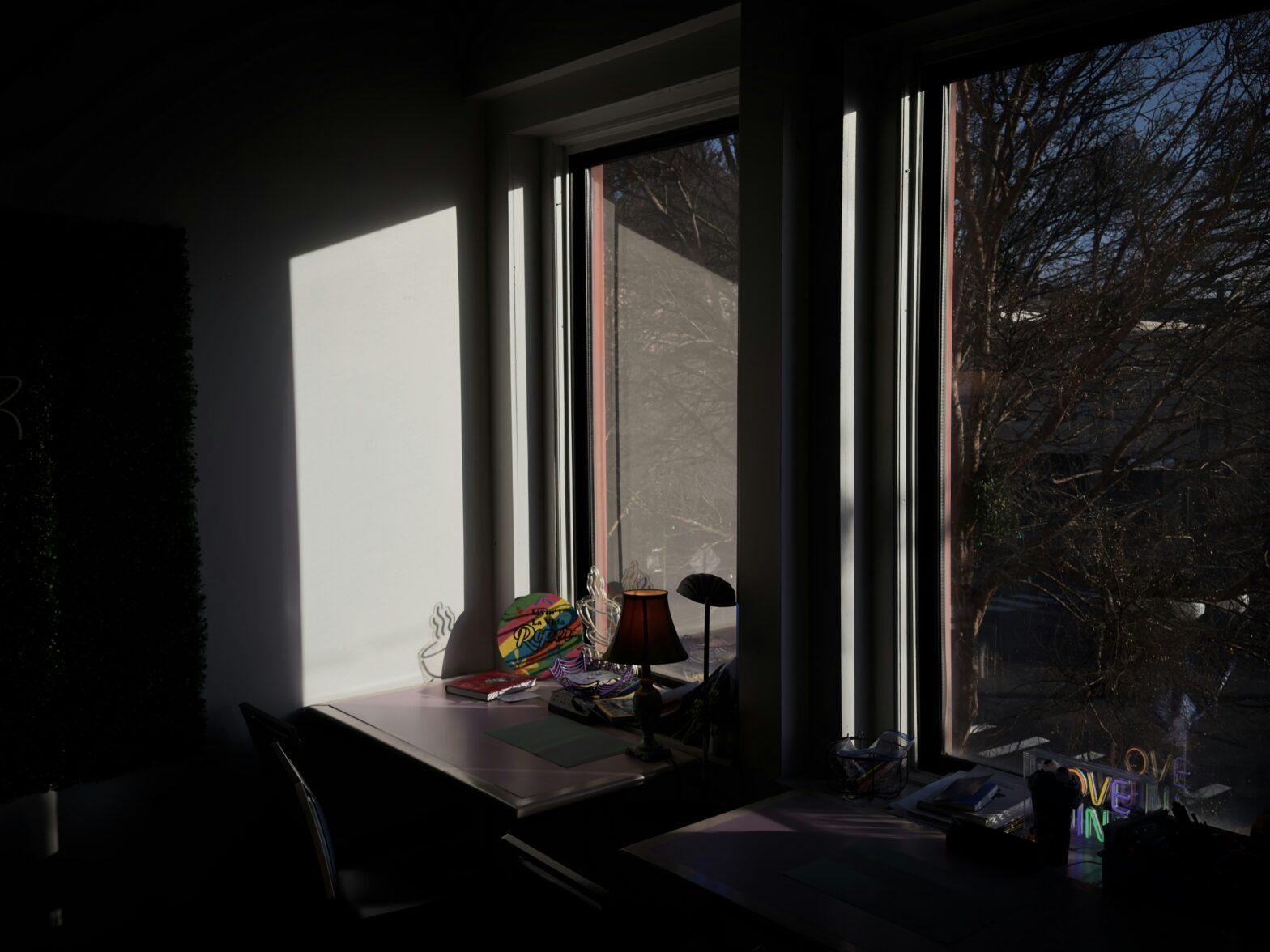
Sunlight streaming through your windows gradually damages furniture, flooring and décor in ways you might not notice until it’s too late. Many homeowners replace expensive furniture or refinish hardwood floors before realizing that sunlight, not wear and tear, caused the damage.
The Three Causes of Sun Damage to Interior Surfaces
Three factors work together to fade your interiors: ultraviolet light, visible light and solar heat. Understanding how each contributes to damage helps you choose the right protection for your home or business.
Ultraviolet Light
Ultraviolet light, or UV rays, are invisible rays from the sun that cause the majority of fading damage. These rays break down dyes and fibers at the molecular level, causing permanent color loss and material weakening. Standard window glass blocks only a small portion of UV rays, which is why items near windows fade even indoors.
Visible Light
The natural light you see and enjoy also contributes to fading over time. Bright, sun-filled rooms experience more visible light damage than darker spaces.
Solar Heat
Heat from the sun accelerates the chemical breakdown caused by UV and visible light. Warmer surfaces fade faster because heat speeds up the reactions that destroy colors and materials.
Why Standard Window Glass Does Not Fully Protect Against Fading
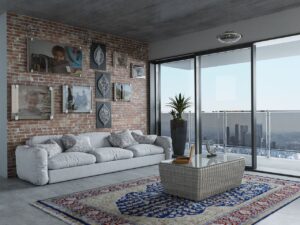
Many people assume their windows protect their interiors from sun damage, but typical residential and commercial glass blocks only a small fraction of harmful UV rays.
“Most people are surprised to learn that untreated glass does very little to prevent fading,” Tint USA partner Mike Minor says.
This is why furniture, floors and artwork near windows show noticeable fading while items in interior rooms remain vibrant.
How Window Film Prevents Furniture and Floor Fading
Window film is a thin, transparent layer professionally applied to the interior surface of your glass that filters harmful rays before they enter your room. The film works continuously to protect your interiors without blocking your view or requiring you to close curtains.
“All of our film blocks 99% of harmful UV rays,” Tint USA partner Tim Panko says. “70% of fading of furniture, flooring, and artwork comes from ultraviolet light.”
How UV Blocking Window Film Works
Window film contains specialized UV-absorbing materials that capture and neutralize ultraviolet rays at the glass surface. These materials work like sunscreen for your windows, blocking harmful radiation while allowing visible light to pass through.
How Much UV Protection Window Film Provides
Quality window films can block up to 99% of UV rays, dramatically reducing the primary cause of fading. Protection levels vary by film type, with some films offering additional heat and glare reduction beyond UV blocking.

What Window Film Can and Cannot Prevent
Window film dramatically slows fading but cannot stop it completely because visible light also contributes to color loss over time. Setting realistic expectations helps you understand that window film extends the life of your interiors rather than making them fade-proof forever.
What film can do:
- Block up to 99% of UV rays
- Can help reduce solar heat
- Significantly slow the rate of fading
What film cannot do:
- Eliminate fading entirely
- Reverse existing damage
- Block all visible light while maintaining transparency
Which Interior Surfaces Window Film Protects
Window film protects virtually every surface in your home or business that sunlight touches. Understanding which materials benefit most helps you evaluate whether window film is the right investment for your property.
Hardwood Floors and Wood Finishes
Wood is highly susceptible to UV damage, which causes discoloration, drying and finish deterioration. Hardwood floors near windows often show distinct fading patterns where sunlight hits.
Leather and Fabric Furniture
UV rays break down leather, causing cracking, color loss and premature aging. Fabric upholstery loses vibrancy and weakens over time when exposed to direct sunlight.
Rugs, Carpets and Textiles
Area rugs and carpets near windows often show uneven fading patterns where sunlight creates distinct lines between protected and exposed areas. Window film provides consistent protection across your entire room.
Artwork and Photographs
Framed art, photographs and decorative items are vulnerable to permanent sun damage that cannot be reversed. Window film offers protection for your personal collections and family photos.
Window Film vs Curtains and Blinds for Fading Protection
| Feature | Window Film | Curtains/Blinds |
| UV protection when open | Yes | No |
| Preserves natural light | Yes | No |
| Maintains view | Yes | No |
| All-day protection | Yes | Only when closed |
Does UV Window Film Block Natural Light?
Most UV blocking films are designed to maintain natural light and clarity while filtering harmful rays. The level of light reduction depends on which type of film you choose for your specific needs.
Clear UV Blocking Window Film
Clear films provide UV protection with virtually no change to your windows’ appearance or light transmission. These films are ideal if you want invisible protection that preserves your existing views and brightness.
Tinted Solar Control Window Film
Tinted films offer additional heat and glare reduction along with UV protection. These films create a slight reduction in visible light but rooms still feel bright and open.
How to Choose Window Film for Fading Protection
Selecting the right window film depends on your sun exposure, glass type and protection priorities.
1. Assess Your Sun Exposure and Glass Type
South and west-facing windows receive the most intense sunlight and cause the most severe fading. Different glass types, including dual-pane and low-e windows, respond differently to window film.
2. Determine Your UV and Heat Protection Priorities
Consider whether fading is your only concern or if heat and glare are also issues in your space. Multi-benefit films that address UV protection, heat reduction and glare control may offer better overall value.
3. Test Film Samples on Your Actual Windows
Seeing samples installed on your own windows before making a final decision helps you understand exactly how different options will look and perform. Labeled samples allow you to compare films side by side in your actual lighting conditions.

Window Film for Commercial Interior Protection
Businesses face the same fading challenges as homeowners but often with higher-value assets at stake. Window film protects your commercial investment while maintaining a professional appearance.
Retail Displays and Merchandise
Sun-faded products cannot be sold at full price, which directly impacts your bottom line. Window film protects inventory in storefronts and showrooms from UV damage.
Office Furniture and Flooring
Commercial furniture represents a significant investment that should last for years. Faded office interiors look dated and unprofessional, which can affect employee morale and client impressions.
Lobbies, Waiting Rooms and Common Areas
High-traffic areas with large windows are especially vulnerable to fading because they receive extended sun exposure. First impressions matter in business, and faded interiors can negatively affect how clients and visitors perceive your brand.
Common Myths About Interior Fading
Several misconceptions prevent people from taking action to protect their interiors. Understanding the facts helps you make informed decisions about fading prevention.
Heat Is Not the Primary Cause of Fading
While heat contributes to fading, UV light causes the majority of damage to your furniture and floors. Cooler rooms with UV exposure still experience significant fading over time.
Fading Happens Even on Cloudy Days
UV rays penetrate clouds, which means your interiors are being damaged even when the sun is not visible. Consistent protection requires a solution that works regardless of weather conditions.
No Film Prevents 100 Percent of Fading
Even the best window films cannot block all visible light while still allowing you to see through your windows. Window film dramatically slows the process and extends the life of your interiors but does not make them completely fade-proof.
Is Window Film Worth the Investment for Fading Protection?
Compare the cost of window film installation to replacing faded furniture, refinishing hardwood floors or replacing sun-damaged rugs and artwork. Window film typically costs a fraction of these replacement expenses while providing protection that lasts for years.
Additional benefits include:
- Heat reduction in sun-exposed rooms
- Glare control for improved comfort
- Energy efficiency improvements
- Enhanced privacy options
Help Reduce Fading and Protect Your Interiors with Professional Window Film
Professional installation ensures your window film performs as intended and lasts for years without bubbling, peeling or discoloration. Tint USA’s consultation process includes assessing your glass type, discussing your protection priorities and installing labeled film samples so you can see options on your actual windows before making a decision. Contact us for a free estimate to learn how window film can protect your home or business throughout North Carolina and South Carolina.