Why Window Film Works for Historic Buildings
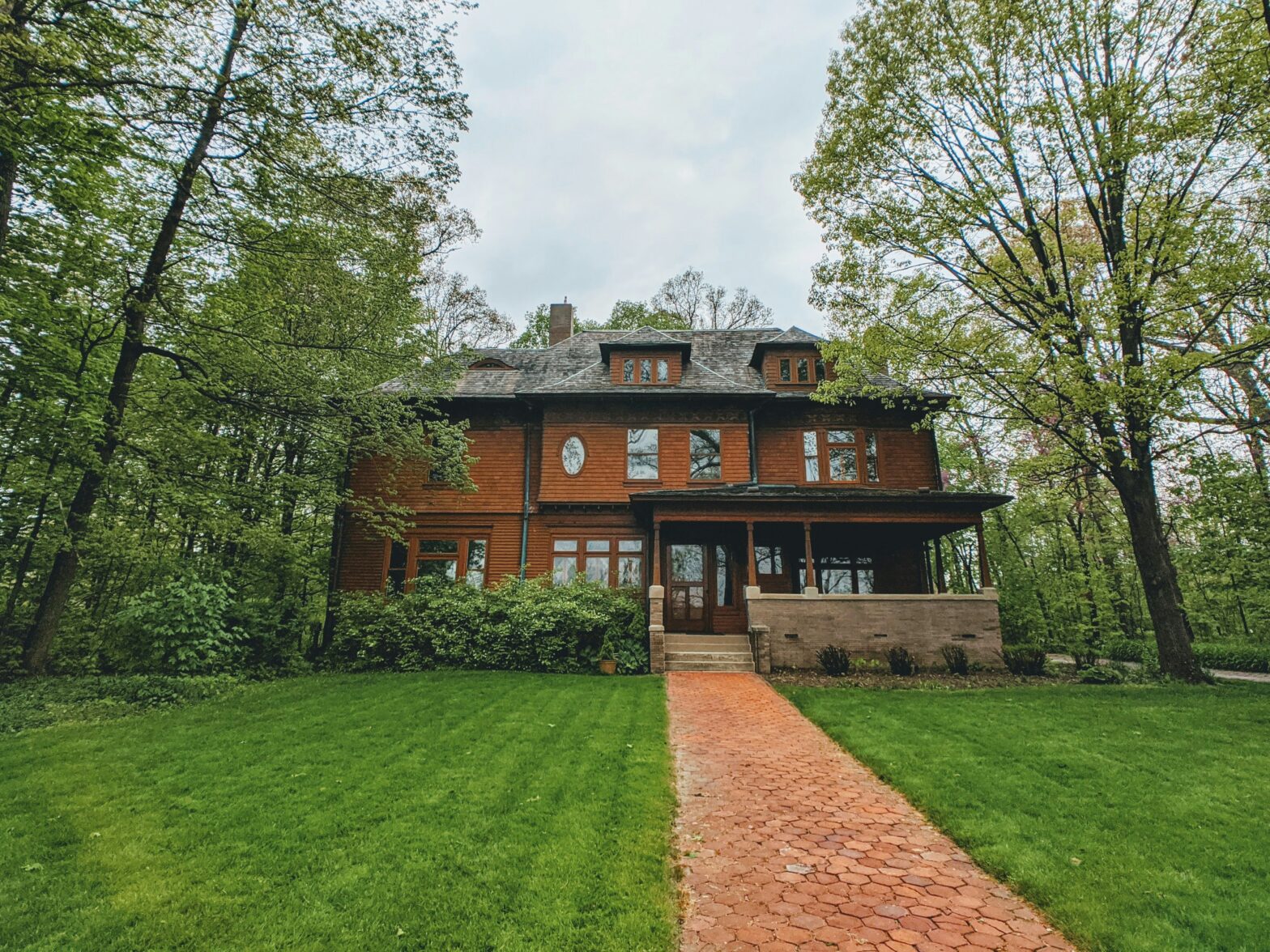
Window film is a reversible, non-invasive solution that adds modern performance to original windows without permanent alteration. A reversible modification is a change that can be undone without damaging the original material, which is a key principle in historic preservation. This approach allows building owners to improve energy efficiency, comfort and safety while keeping irreplaceable original glass, sashes and frames intact.
Benefits of Window Film for Heritage Properties
Building owners and facility managers choose window film over window replacement for several practical reasons. These benefits address common challenges in historic buildings while respecting preservation requirements.
Energy Efficiency and Lower Operating Costs
Older single-pane glass is often a building’s weakest point for energy loss. Window film can help reduce heat gain in summer and retain warmth in winter, making spaces more comfortable year-round. Real savings depend on climate, season, glass type and how the building is used.
UV Protection for Interiors and Artifacts
Window film provides up to 99% UV protection, which varies by film type. This protection helps prevent fading of furnishings, woodwork, artwork and historic interior finishes. UV protection is especially important for museums, libraries and buildings with valuable or irreplaceable interiors.
Preservation of Original Windows
Window film allows owners to keep original glass rather than replacing it with modern reproductions. This preserves the authentic character of the building and maintains historical integrity. Many preservation boards prefer this approach because it protects the original materials.
Safety and Security for Aging Glass
Safety film helps hold shattered glass together if broken, which is important for brittle or deteriorating glass in older buildings. These security window films can slow down forced entry and reduce the risk of injury from flying glass during storms or impacts.
Glare Reduction and Improved Comfort
Window film can help reduce glare without blocking natural light or obscuring views. This improves comfort for office workers, museum visitors and residents while maintaining the building’s connection to the outdoors.

Types of Window Film for Historic Building Projects
Different building needs call for different film types. Understanding your options helps you choose the right solution for your specific situation.
Solar Control Films
Solar control films are designed to reduce heat and glare from sunlight. These are the most common choice for managing indoor temperatures in historic buildings with large windows or significant sun exposure.
Spectrally Selective Films
Spectrally selective films are engineered to block infrared heat while allowing most visible light to pass through. This matters for historic buildings where maintaining clear, unaltered views is important for preserving the building’s character.
Low-Emissivity Films
Low-emissivity (or low-e) films reflect radiant heat back into the building. These films can help with both summer cooling and winter heat retention, making them useful for year-round performance in climates with seasonal temperature swings.
Safety and Security Films
These thicker films reinforce glass to help hold fragments together if the window breaks from impact, storms or attempted break-ins. They add an extra layer of protection for ground-floor windows and aging glass that may be more vulnerable to damage.
Decorative and Frosted Films
Decorative window films provide privacy options for interior office partitions or bathrooms in historic buildings. These are typically used on interior glass rather than street-facing historic facades where appearance restrictions are more common.

How to Choose the Right Film for Your Historic Building
Selecting the right commercial window film requires evaluating several factors in a logical order. Start by identifying your main problem, then match the solution to your building’s specific conditions and requirements.
Assessing Your Building’s Primary Needs
Identify your main concern first: Is it excessive heat, fading interiors, security concerns or comfort complaints? The primary issue should guide your film selection because different films solve different problems.
Matching Film Performance to Window Conditions
Glass type, window age, condition and compass orientation all affect which films are compatible and effective. South and west-facing windows typically need more heat control than north-facing windows.
Consider these factors when evaluating your windows:
- Single-pane vs. double-pane glass: Older buildings typically have single-pane glass that loses more energy
- Existing coatings: Some historic glass has original coatings that may affect film compatibility
- Window orientation: Direction determines how much sun exposure each window receives
Evaluating Aesthetic Impact
Film reflectivity, color and tint level can affect the building’s exterior appearance. Historic commissions often restrict highly reflective or dark films on visible facades, so understanding these limitations early helps avoid approval delays.
Confirming Preservation Approval Requirements
Check with local historic district commissions or state historic preservation offices before installation. Approval processes vary by jurisdiction, and some areas have pre-approved film specifications that can speed up the review process.

Planning a Window Film Retrofit for Historic Windows
Follow these steps to ensure a successful window film project that meets both performance goals and preservation requirements.
1. Evaluate Your Existing Windows
Inspect glass condition, frame integrity and any existing coatings or films. Document which windows face which direction and note any damage or deterioration that might affect film installation.
2. Review Local Preservation Guidelines
Research requirements from your local historic district, state historic preservation office or any deed restrictions. Some jurisdictions have pre-approved film specifications that simplify the approval process.
3. Request Professional Film Samples
Qualified installers can apply labeled samples to your actual windows so you can evaluate appearance and performance before committing. This allows you to see how different films look on your specific glass and building.
4. Obtain Necessary Approvals
Submit your film proposal to the appropriate review board if required. Include product specifications and photos of sample installations to help reviewers understand how the film will look on your building.
5. Schedule Professional Installation
Work with experienced installers who understand historic glass and proper installation techniques. Professional installation protects original windows and ensures the film performs as expected.

Preservation Guidelines and Compliance Requirements
The Secretary of the Interior’s Standards for Rehabilitation form the foundation for most local preservation rules. These standards emphasize reversibility as a key principle: modifications should be removable without damaging original materials.
Window film generally qualifies as reversible because it can be removed without harming the glass. Local historic commissions may have specific rules about reflectivity, color and visibility from public rights-of-way.
Common preservation requirements include:
- Removability: Film must be removable without damaging original glass
- Reflectivity limits: Restrictions on mirror-like appearance for street-facing windows
- Color restrictions: Requirements to maintain historic appearance
- Documentation: Approval applications often require product specifications and sample photos
Limitations of Window Film on Historic Buildings
Reflectivity and Appearance Restrictions
Some high-performance films have a mirror-like appearance that may not be approved for visible historic facades. Low-reflectivity alternatives exist but may offer less heat rejection than highly reflective options.
Performance Limits on Single-Pane Glass
While film improves single-pane windows, it cannot match the performance of modern double or triple-pane glass. Film is best viewed as an enhancement to existing windows rather than a complete replacement for modern glazing systems.
Reversibility and Removal Considerations
While film is generally removable, very old or fragile glass may require extra care during removal. Professional removal is recommended for historic windows to avoid damage to irreplaceable original glass.

Maintaining Window Film for Long-Term Results
Properly installed film requires minimal maintenance. Clean with a soft cloth and mild, ammonia-free cleaner, and avoid abrasive pads or scrapers that could damage the film surface.
Wait the recommended curing period after installation before cleaning, typically a few weeks depending on the product. Film lifespan varies by product type, sun exposure and glass orientation.
Find Professional Historic Window Film Installation in the Carolinas
Tint USA serves building owners, facility managers and property managers throughout North Carolina and South Carolina. Our consultation process includes identifying and metering each glass type, installing labeled film samples on your actual windows and providing performance data to support your decision.
Contact us for a free estimate to discuss your historic building project.